
When Third Graders Learn to Code, Everybody Wins
How Career Catalyst: STEM Edition grew from one classroom in South DeKalb into a model Decide DeKalb is now taking into healthcare
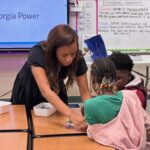
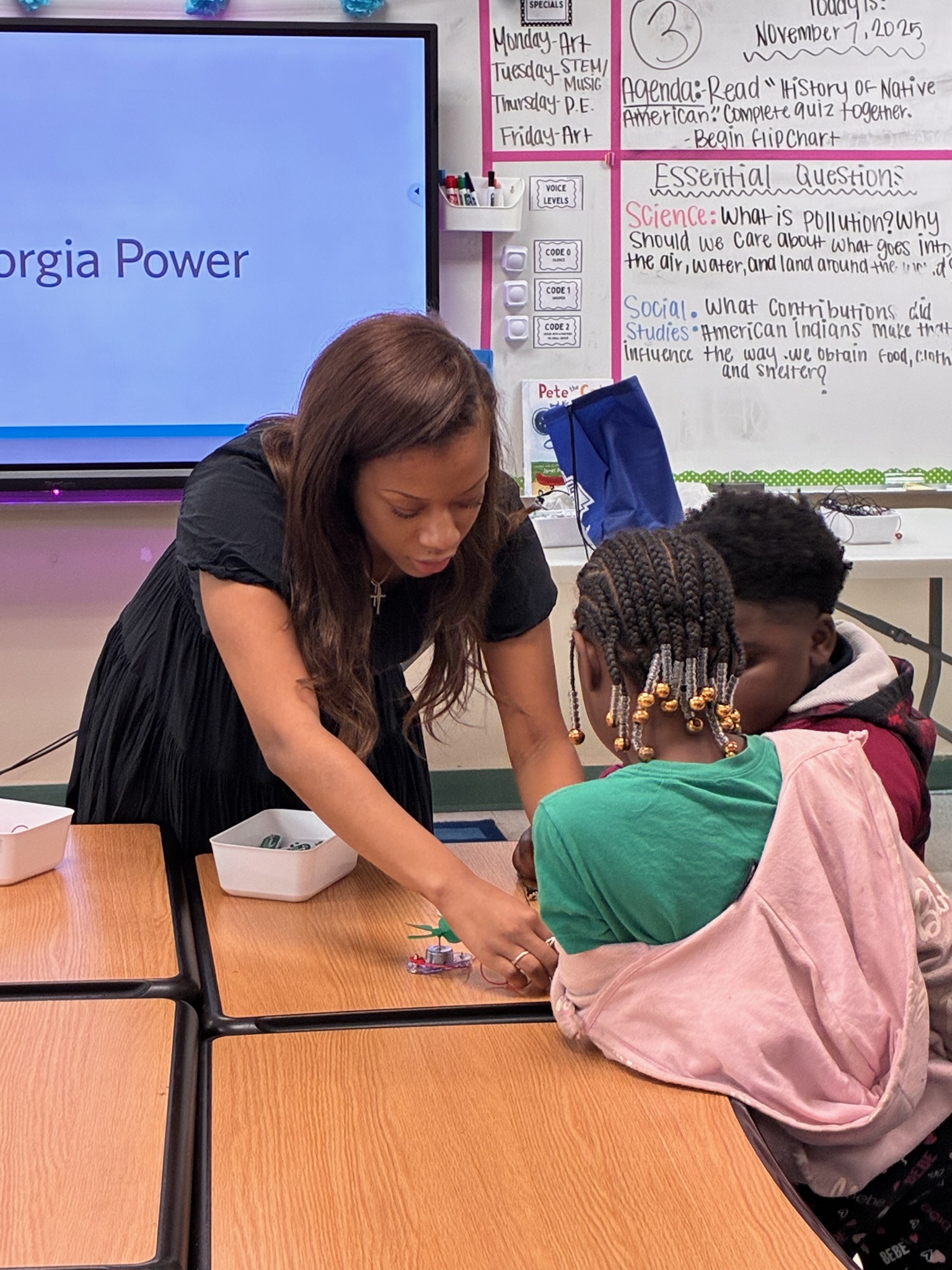
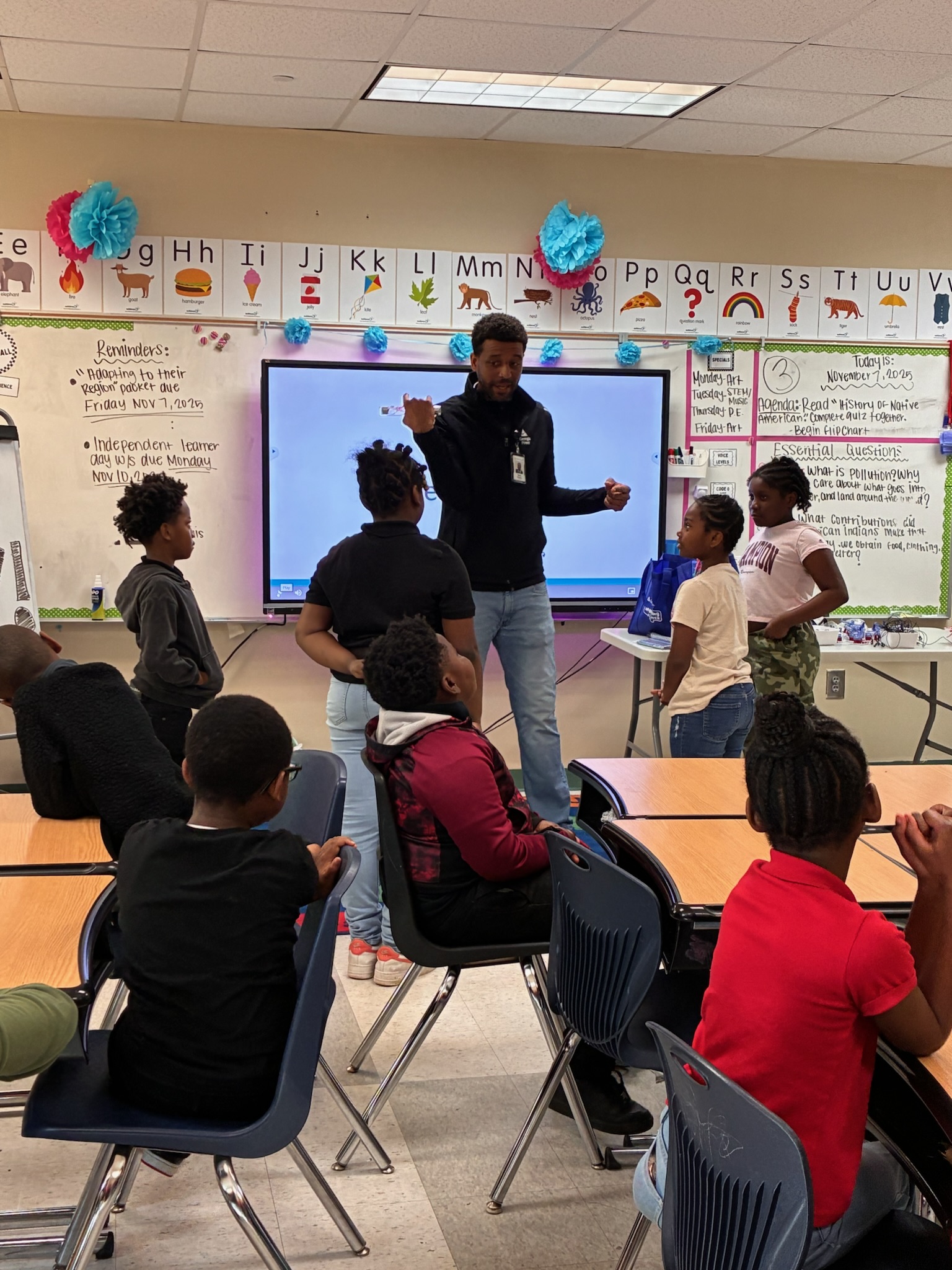
In November 2025, a group of third graders at McNair Discovery Learning Academy in South DeKalb County sat down with working professionals and learned how to build circuits, write code, and construct an insect hotel. For most of them, it was their first real encounter with the kind of work that drives today’s economy.
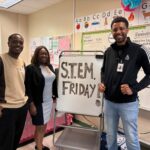
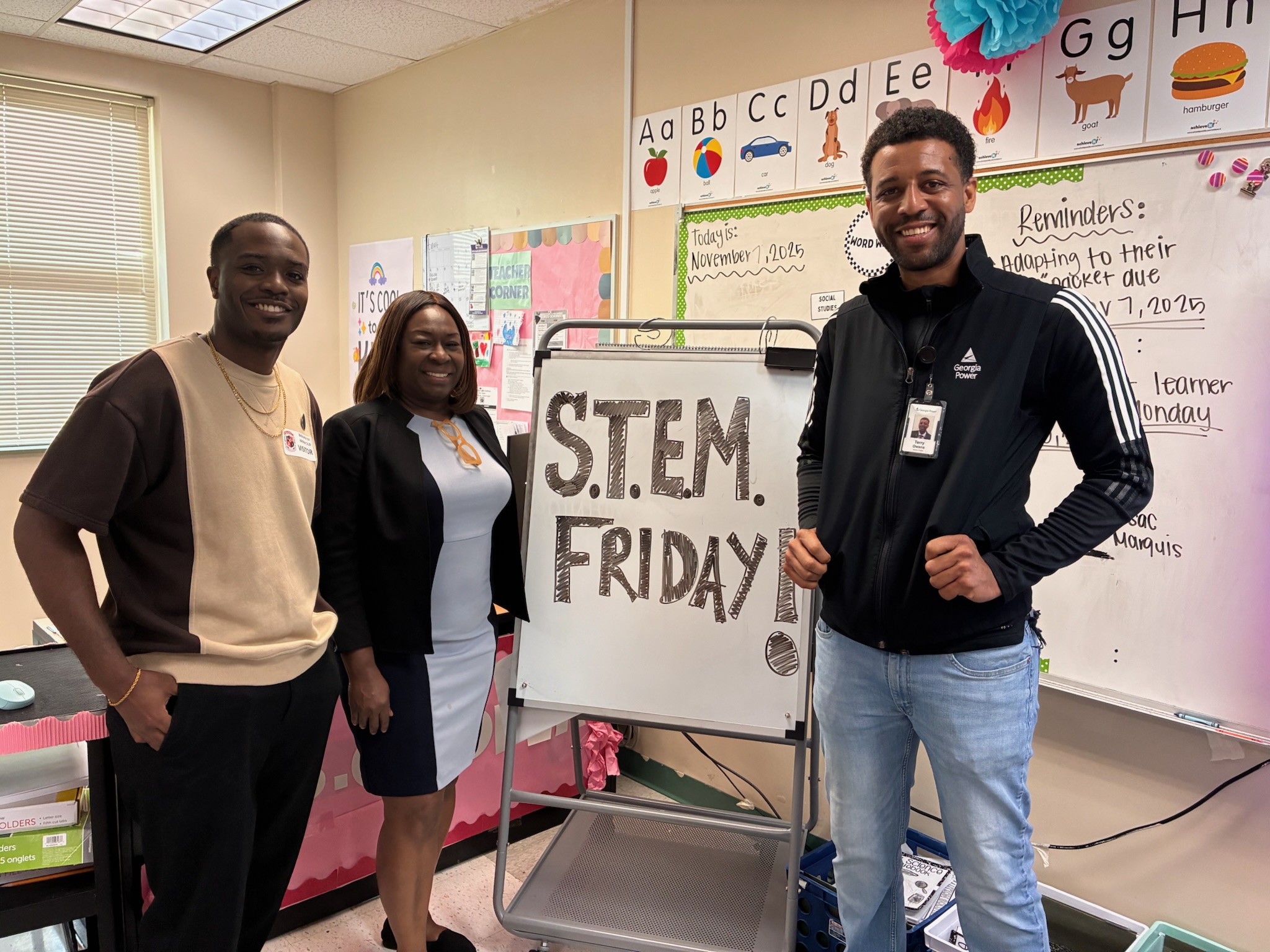
That morning was the result of months of planning between Decide DeKalb Development Authority, the Technology Advisory Council (TAC), school leadership at McNair, and a small group of industry volunteers who showed up ready to teach. The program is called Career Catalyst: STEM Edition, and it was designed with one clear goal: give kids in an underserved community early, hands-on exposure to careers they might never otherwise encounter.
What started as two sessions with a single grade level grew into something bigger. By spring 2026, the initiative had reached students at all three schools in the McNair Cluster — elementary, middle, and high school — touching between 165 and 200 students across six grade levels.
The Challenge Is Simpler Than It Sounds
McNair Discovery Learning Academy is a Title I school. The families it serves have historically had access to fewer resources and opportunities than other parts of DeKalb County. That gap shows up in a lot of ways, but one of the quietest and most consequential is this: kids who never see themselves in a STEM career rarely pursue one.
It is an exposure problem, not a pipeline problem. And exposure is something the business community can fix.
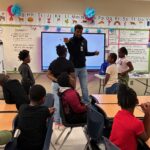
Career Catalyst: STEM Edition was built around that premise. Three industry volunteers led hands-on stations in coding, agricultural technology, and circuits. Students rotated through each one. No lectures, no worksheets. Just doing.
Principal Shayna Bishop saw it firsthand. “Our students were not just hearing about STEM careers,” she said. “They were engaging with professionals, participating in hands-on learning, and beginning to see how what they learn in the classroom connects to real careers and future opportunities. In South DeKalb, exposure truly matters. Many of our students are brilliant and capable, but they need access, opportunity, and consistent experiences that help them see what is possible.”
What the Numbers Show
Of the 57 students surveyed after the elementary sessions, 44 said they had a lot of fun. Thirty said their favorite part was learning something new. Twenty-five chose the coding lab as their favorite station, followed closely by circuits at 20, and the insect hotel at 12.
Thirty-nine students said they would do it again. One student said she wants to be an entomologist.
That last one is worth sitting with for a moment. A third grader in South DeKalb County now knows what an entomologist is, and wants to become one, because someone showed up and let her get her hands dirty with bugs.
The Story Doesn’t Stop at Elementary School
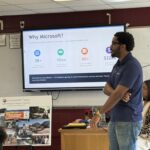
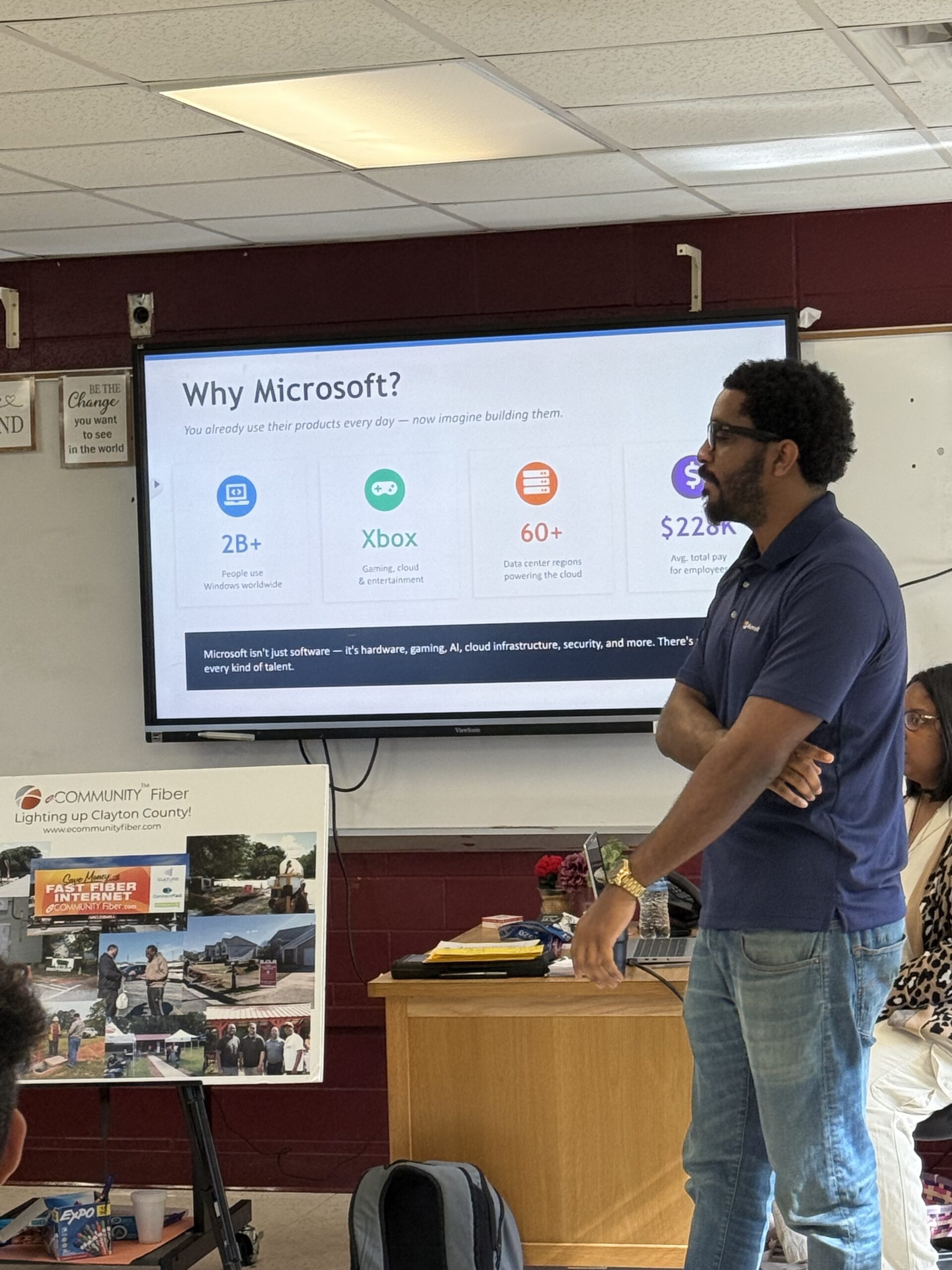
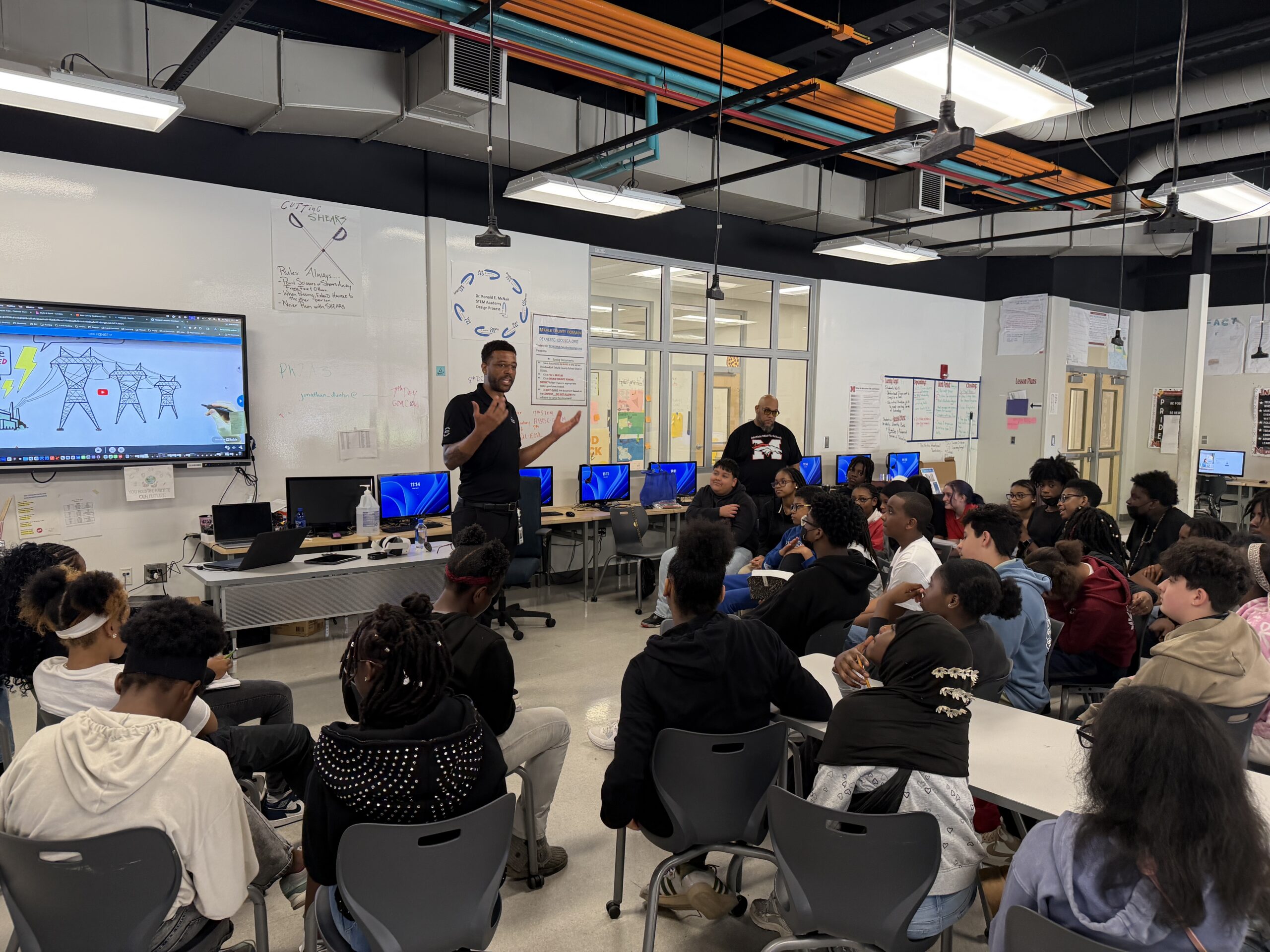
A second session at McNair DLA followed in February 2026. Then, on April 3, the initiative moved down the road to McNair Middle School for a STEM and Career Exploration Event. In spring 2026, it reached McNair High School with a Workforce and Career Exposure Engagement that brought students face-to-face with professionals from Georgia Power, Microsoft, Black Boys Who Code, Wundergrub, Produce’d, and eCommunity.
At the high school, Microsoft went a step further and included a recruiter in the engagement, opening conversations about internships and career pathways with students who are still years away from the workforce but not too young to start thinking about it.
Principal Tamika Hardaway at McNair Middle School noticed the shift in her students almost immediately. “Students are more inquisitive about STEM,” she said.
Engineering teacher Jonathan Dunton added, “This is an underserved, needed area for our students who often are introduced to these topics too late.”
Why This Model Works
What made the Career Catalyst pilot replicable is the framework behind it. The team did not parachute in with a curriculum and a schedule. They started by listening. School leadership shared their priorities and constraints. From there, the group co-designed age-appropriate content, recruited and supported volunteers, and built in evaluation at every step.
Terry Owens, a TAC member and Georgia Power representative who helped lead the effort, explained, “This initiative demonstrates the power of intentional collaboration between education, industry, and community partners to create opportunities that extend far beyond a single STEM event.”
Every educator and school leader who provided feedback supported continuing the initiative. Every one of them supported expanding it to additional schools and grade levels.
The result is a model that can scale to additional grade levels, additional schools, and additional partners because the infrastructure is already there.
A Model Worth Recognizing
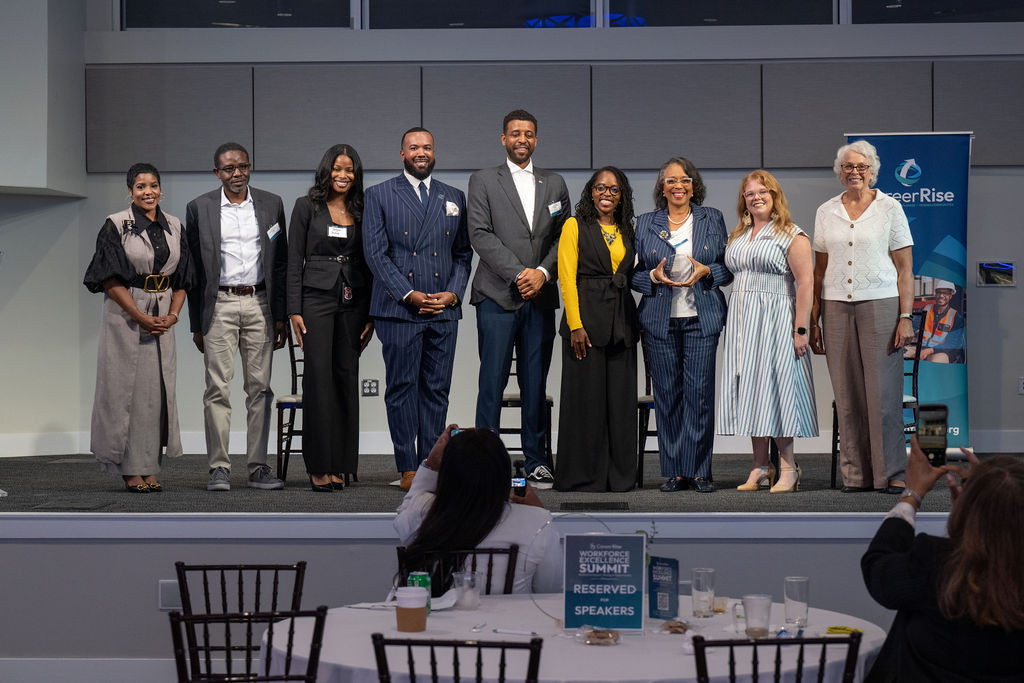
Career Catalyst’s innovative approach to connecting education and industry recently earned regional recognition at the 2026 CareerRise Summit, where the initiative received the Cinda Herndon-King Award.
The recognition underscores what Career Catalyst has demonstrated in DeKalb: meaningful workforce development begins long before students enter the workforce. By bringing industry professionals directly into classrooms and introducing students to career possibilities through hands-on experiences, the initiative is helping build a stronger, more connected talent pipeline for the future.
For businesses operating in DeKalb County, this is a direct investment in the workforce you will be hiring in 10 to 15 years. STEM careers are high-growth, and the region’s economic competitiveness depends on a talent pipeline that reflects the full breadth of the community. South DeKalb is an untapped resource.
What Comes Next Is Healthcare
Career Catalyst is the framework. STEM Edition was the first implementation of it, and the Healthcare Advisory Council has now been cleared to build the second. Career Catalyst: Healthcare Edition will apply the same premise, that students cannot pursue careers they have never encountered, to an industry where DeKalb employers are actively hiring.
The proposed model follows the same structure that made the STEM work portable. Start with a single school cluster, in this case Redan, and build around four pillars: professionals engaging students in schools, professionals sharing their career journeys in classrooms and online, facility tours and work-based learning, and long-term adopt-a-school partnerships. Content is calibrated by grade level, from career awareness in elementary school to workforce readiness in high school. The council is still shaping the details, drawing on existing relationships with DeKalb County School District CTAE, Georgia Piedmont Technical College, WorkSource DeKalb, and healthcare employers across the county.
How to Get Involved
The initiative is now in a sustain-and-expand phase. The model has been tested, the school relationships are strong, and the next step is growth. That growth depends on volunteers, resources, and partners who are willing to make a long-term commitment.
If your company has professionals who can speak to students about what they do, that is enough to start. If you want to go further, Decide DeKalb and the Technology Advisory Council can help you find the right role in the collaboration.
This is the kind of work that builds trust between industry and community over time. It’s also the kind of work that tends to surprise people. You show up expecting to teach, and you leave thinking about how much you learned.
Learn more about the Technology Advisory Council and the Healthcare Advisory Council and how your organization can get involved.